Insights
Consumers Have Opinions: Here’s What They Want in 2026
Discover what consumers really want from email, SMS and AI-powered marketing in 2026. Learn consumer behaviors, contradictions and trends shaping the future of brand messaging.

Backstroke recently conducted a consumer survey, which set out to answer a deceptively simple question: How do people really feel about retail email, SMS and AI-driven marketing?
We certainly uncovered preferences, but beyond that data displayed a set of tensions, contradictions and evolving behaviors that reflect where both digital demand and marketing are heading. Consumers are tech-forward, deeply mobile and increasingly AI-aware. But they’re also skeptical, discerning and far from uniform.
Many of our findings were surprising. Emoji enjoyment correlates with iPhone users, but not Android users. Your level of AI skepticism may depend on your gender. And brands using slang in their messaging can feel as fake as Steve Buscemi playing a high schooler.

With all that and so much more in mind, this blog unpacks what our data reveals about the future of messaging and what it means for brands that want to remain relevant throughout 2026.
Consumer Trends Regarding Email & Messaging
Email Is Foundational.
For years, email has been declared “over” in favor of chat apps, push notifications and social DMs. In fact, this narrative has been circulating since the late 1980s, but has never quite come to fruition. Our data paints a picture that proves email is just as foundational now as it ever has been.
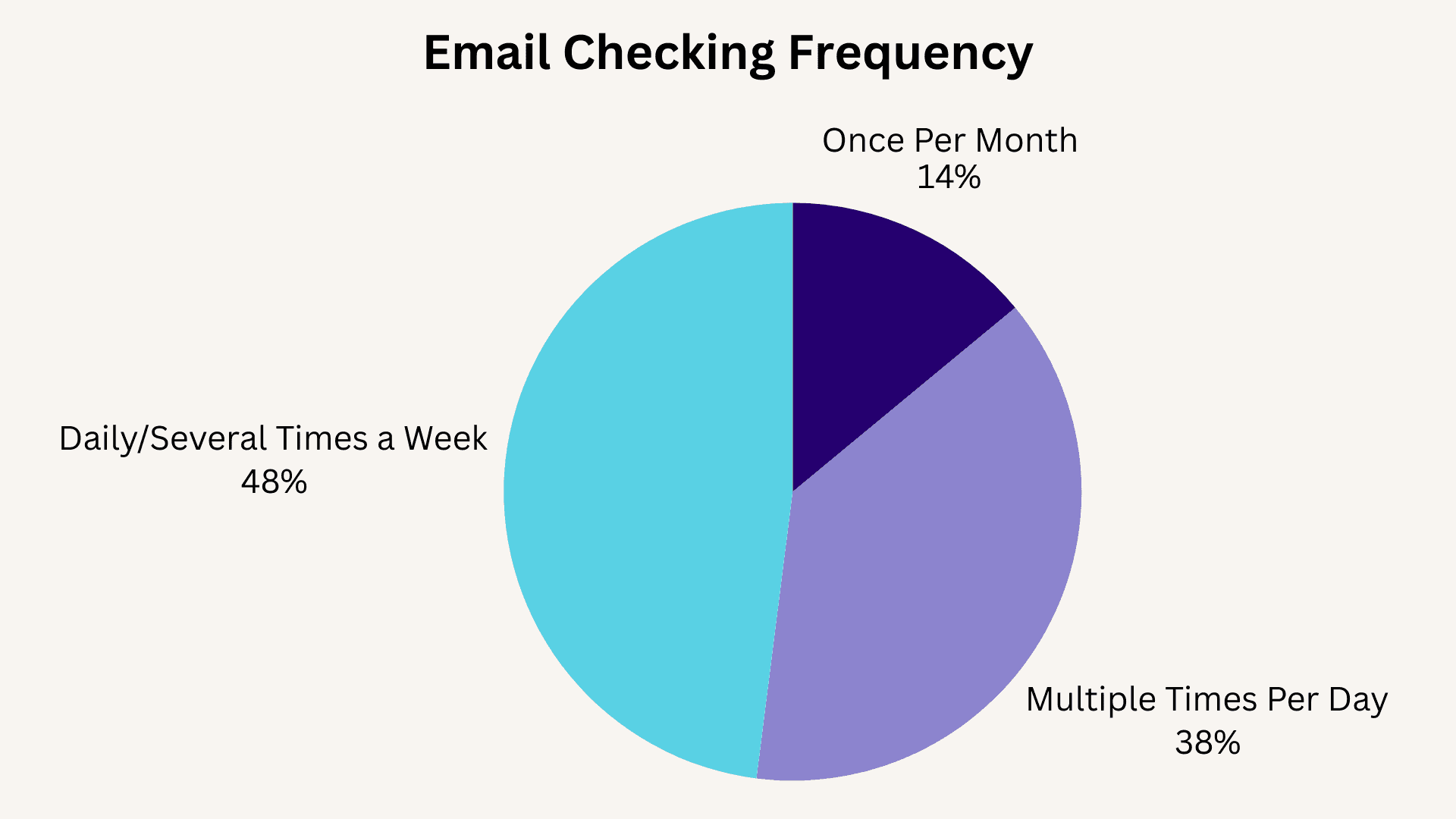
Nearly one-third of respondents (31%) said they check brand emails multiple times per day. About 70% check at least daily or several times a week. Only 11% check as infrequently as once a month.
This aligns with broader global trends. Statista projects that by 2026, there will be 4.7–4.8 billion email users worldwide, with nearly 400 billion emails sent daily. Emarketer backs this up as well, stating that 7 in 10 consumers prefer emails from brands.
Clearly, email hasn’t faded and it won’t. Instead, it’s infrastructure. But the ways people use email—and what they expect from it—are evolving.
Younger Audiences Are the Most Attentive (and the Most Demanding).
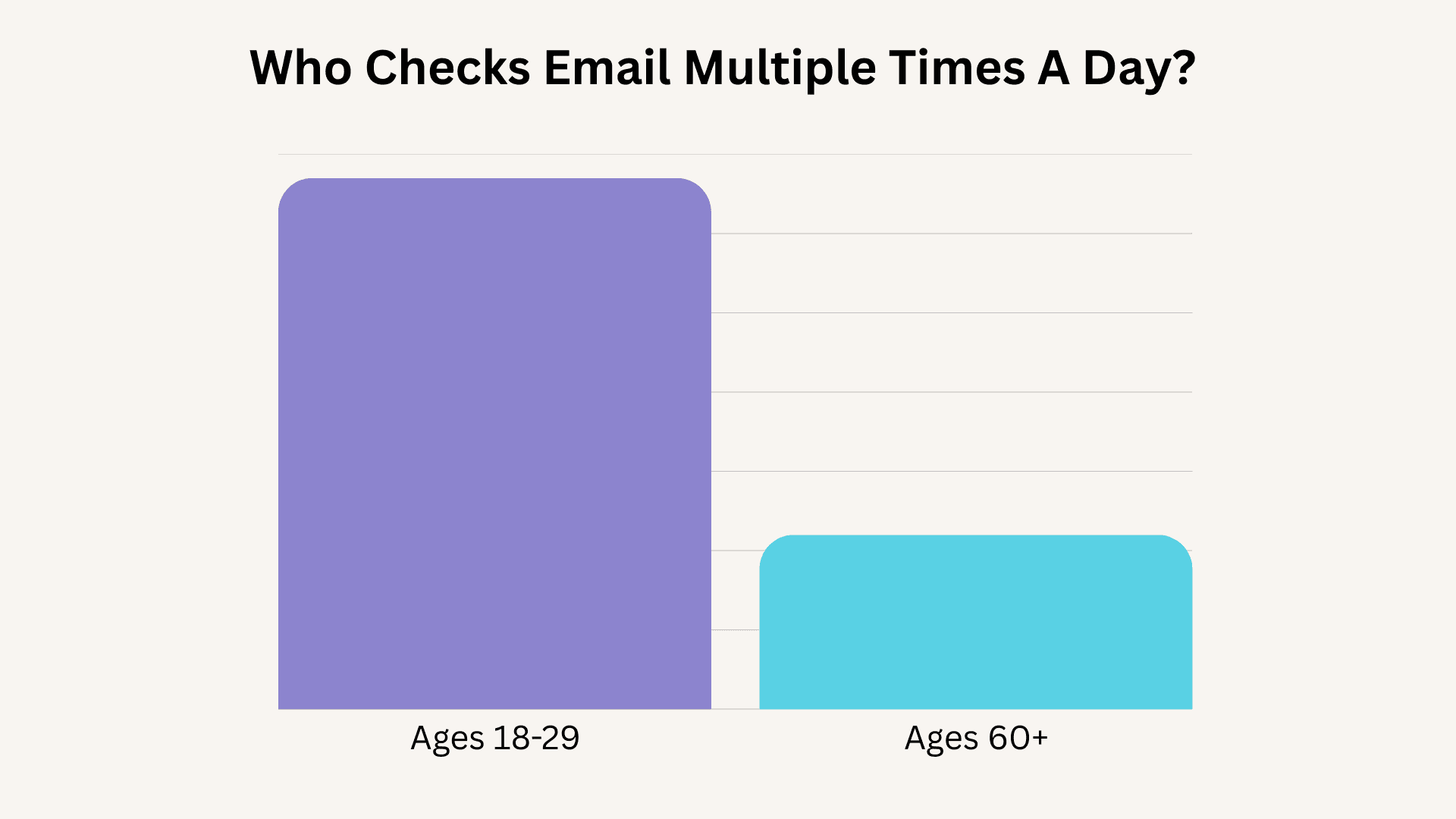
Our survey found that 67% of 18–29-year-olds check email multiple times per day. Compare that to just 22% of people aged 60+.
This generational split mirrors what we’re seeing across the industry. Campaign Monitor reports that 81% of Gen Z check their email daily, with over two-thirds primarily reading email on their smartphones.
This matters because younger audiences like Gen Z are known for extremely fast content evaluation and scrolling behavior, paired with high expectations for content that feels natural and personally relevant. Research also shows they give their attention to content that actually resonates.
For brands, this means:
Mobile-first design is non-negotiable
Clarity > cleverness
And authenticity beats hype
What Actually Gets Opened? Anything Inspiring FOMO.
When we asked respondents which subject lines would make them open an email, the winners were clear, indicating that FOMO is a key motivator of today’s consumers. The subject lines people said they were most likely to open were:
“Unwrap Joy: Exclusive Deals Just for You”
“Why Wait? … Before They’re Gone!”
“Don’t Miss Out: Last Chance…”
Each of these was selected by roughly 40–46% of respondents. Research backs this finding up, suggesting that using FOMO tactics (limited‑time offers, low‑stock cues, countdowns) can lift email open rates by around 22%.
Emojis: Small Gains, Big Segmentation Implications
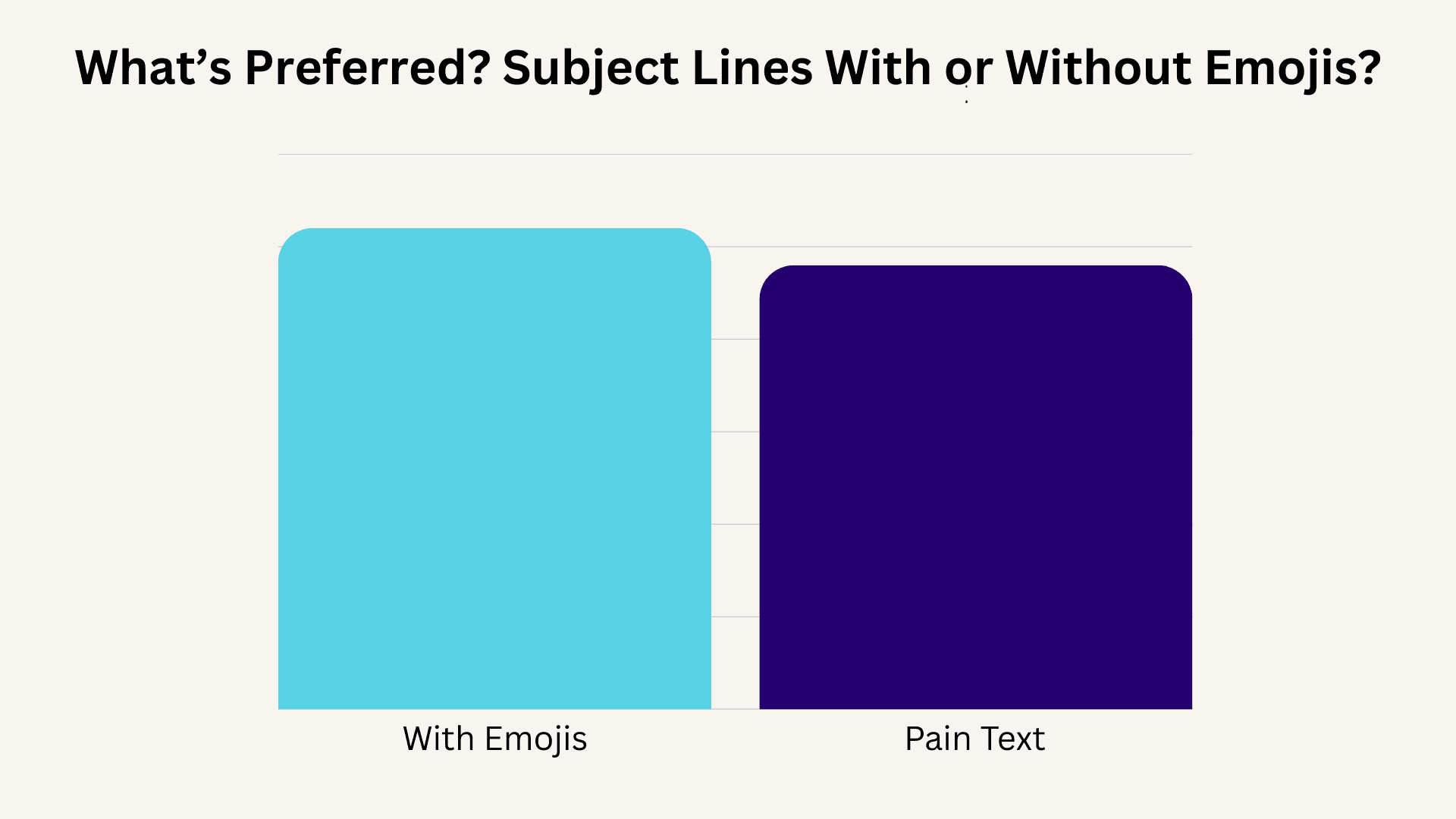
In our A/B test, emoji subject lines edged out plain text by a narrow margin: 52% vs. 48%.
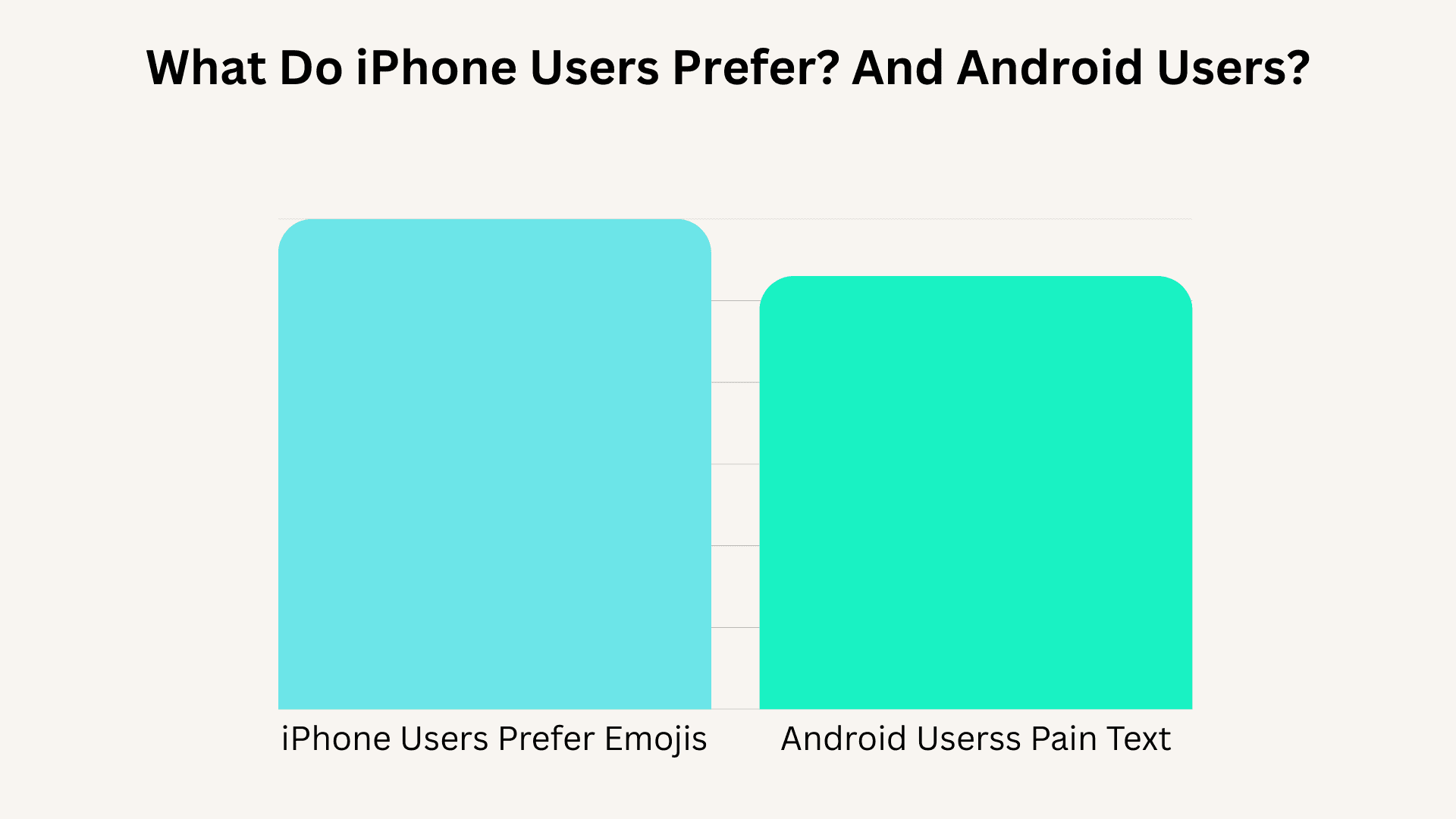
But when we sliced by device, a clearer story emerged:
~60% of iPhone users preferred emojis
Most Android users preferred plain text
This might seem trivial, until you remember that most emails are opened on mobile, and mobile experience varies widely by OS, demographic and income. Personalizing email contents—including subject lines—will mean email marketers will need to adopt audience-aware creative tools that dynamically adapt tone, contents and visual style.
Slangy Hype Feels Fake (and Often Feels AI)
When asked which subject lines seemed AI-generated, the slang-heavy “🔥 It’s gonna be lit: summer sale starts soon” was flagged the most, especially by Gen Z and the oldest respondents.
This matters, because we are shifting toward an online culture that values authenticity over curation. Consumers hate content that feels performative, inauthentic or algorithmic.
The takeaway: Don’t sound like a brand trying to sound young. Sound like a brand that knows who it is.
And don’t worry if you don’t really understand what things like 67 mean. Nobody does.
Consumer Trends Regarding AI
Consumers Are Enthusiastic or Ambivalent On AI
Our survey found that 61% of respondents say that they are likely to engage with AI-generated content from brands:
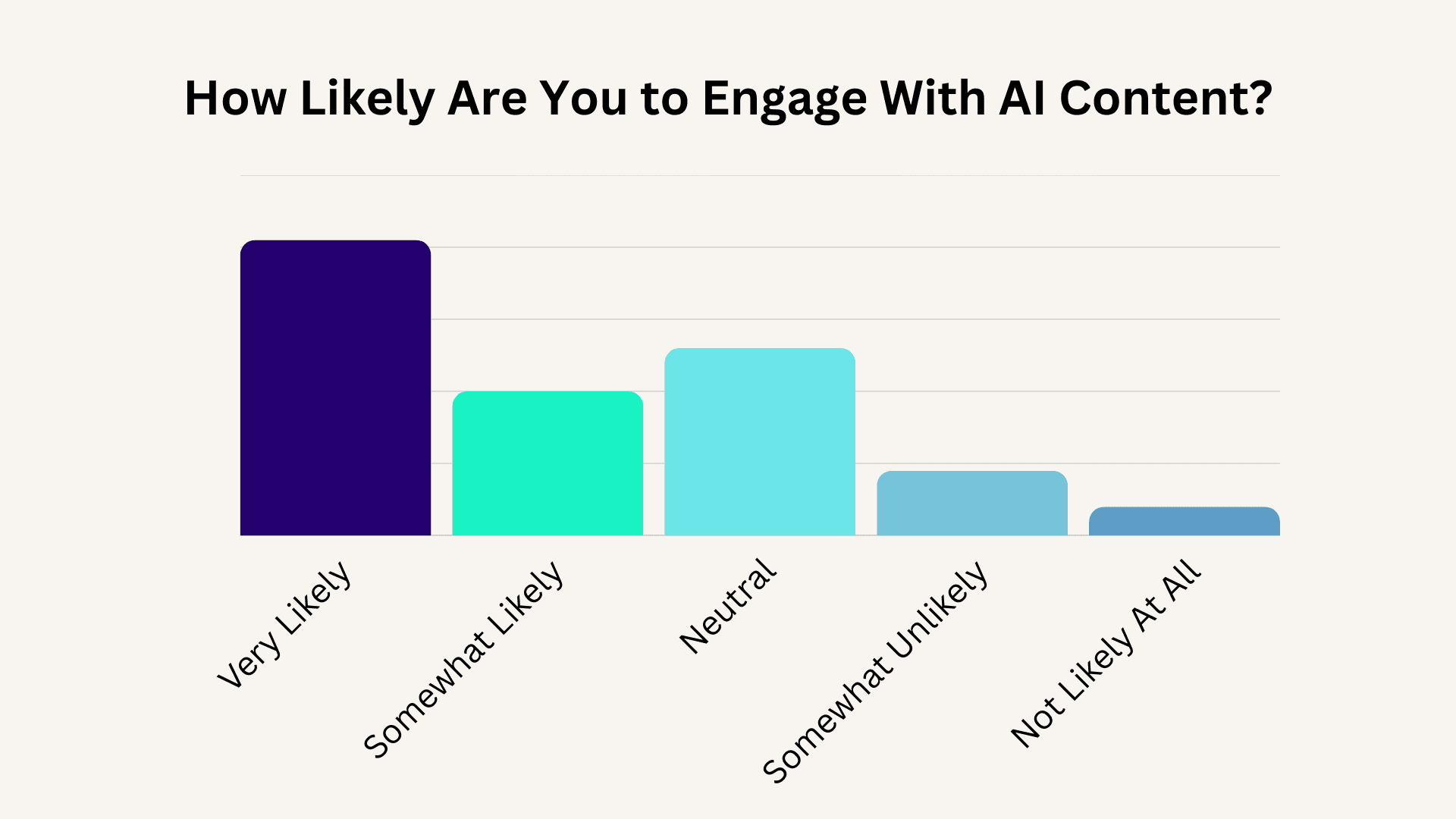
At the same time, 85% of respondents say that they use AI tools themselves, with about 45% using them daily or multiple times per day.
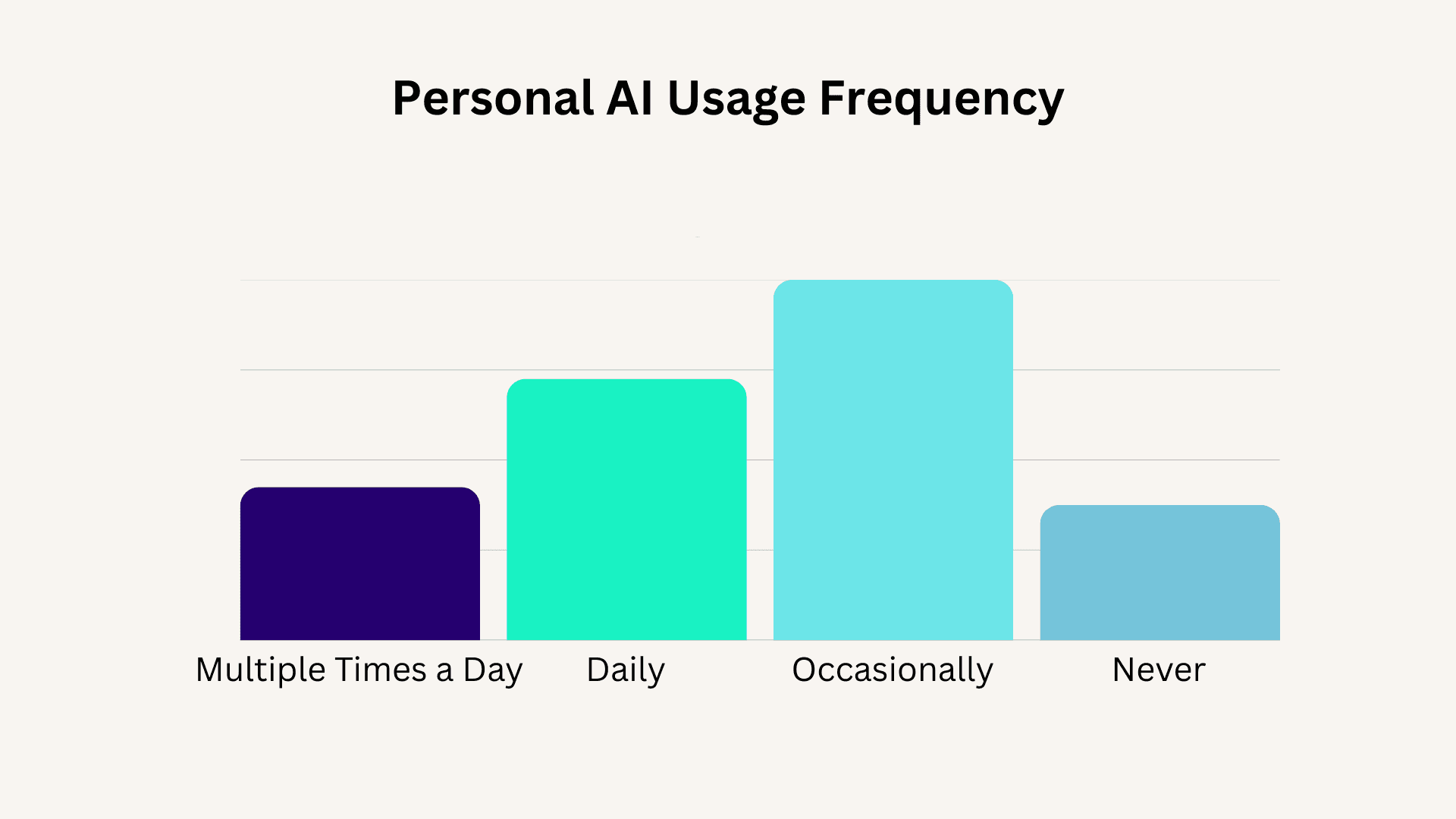
Even though people are using it, many have mixed feelings. When asked to describe brands that use AI, respondents chose both positive and negative words:
“Innovative”
“Future-looking”
“Aspirational”
…and also:
“Lazy”
“Risky”
“Suspicious”
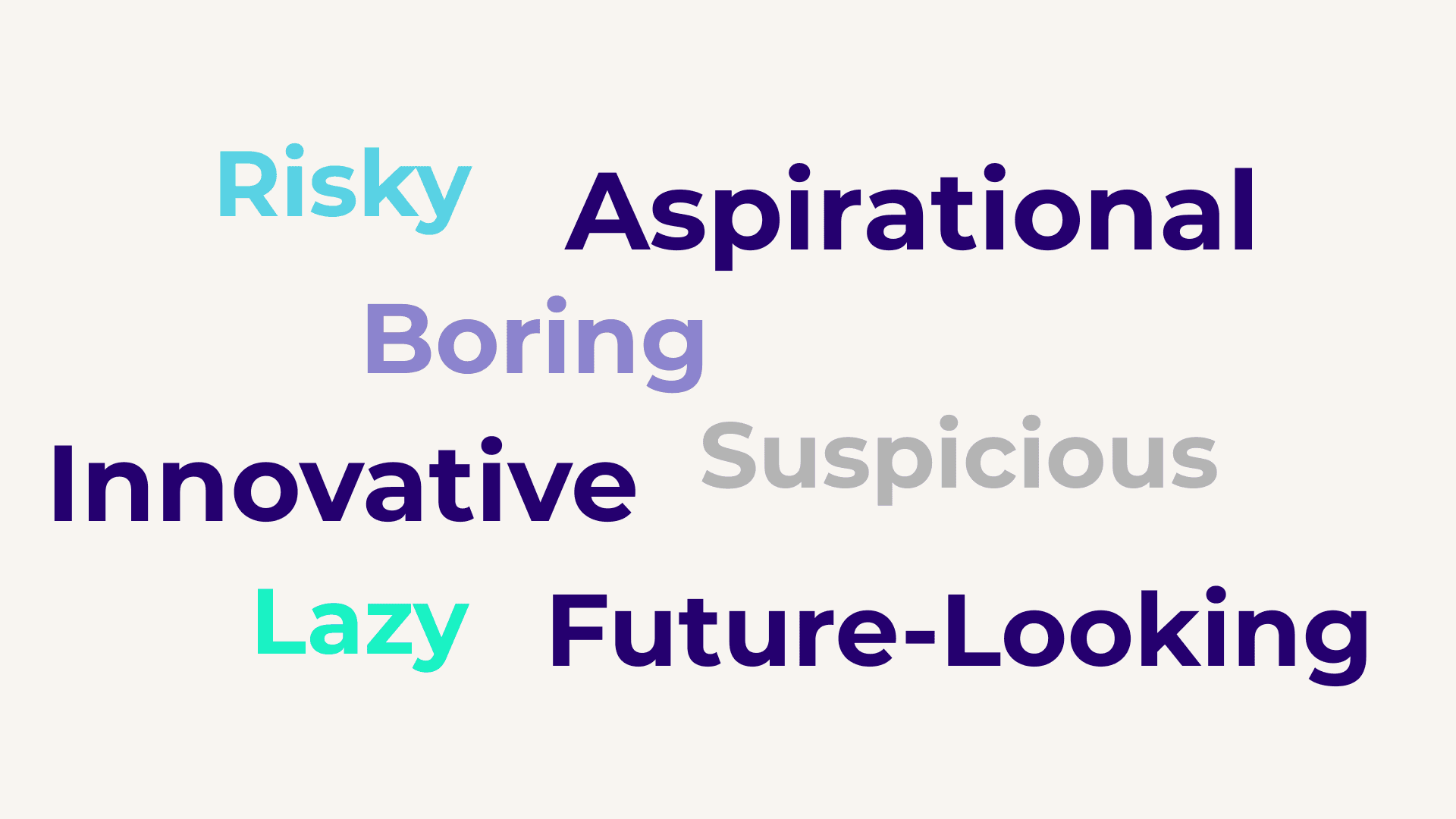
This contradiction is central to 2026 marketing. It goes hand-in-hand with how authenticity is critical to creative messaging, as we described above. Ultimately, consumers are increasingly positive toward AI as time goes by, but they don’t want experiences to feel automated as a result of the technology.
The National Context: Trust From Some Is Still Fragile
A January 2026 YouGov study found that:
Only 26% of Americans trust AI in retail
33% actively distrust it
Digging a little deeper, our own survey data highlights demographic differences in AI trust. It’s slightly higher among Gen Z and millennials, but skepticism remains across all groups. Women are more skeptical than men. Higher-income consumers trust AI slightly more.
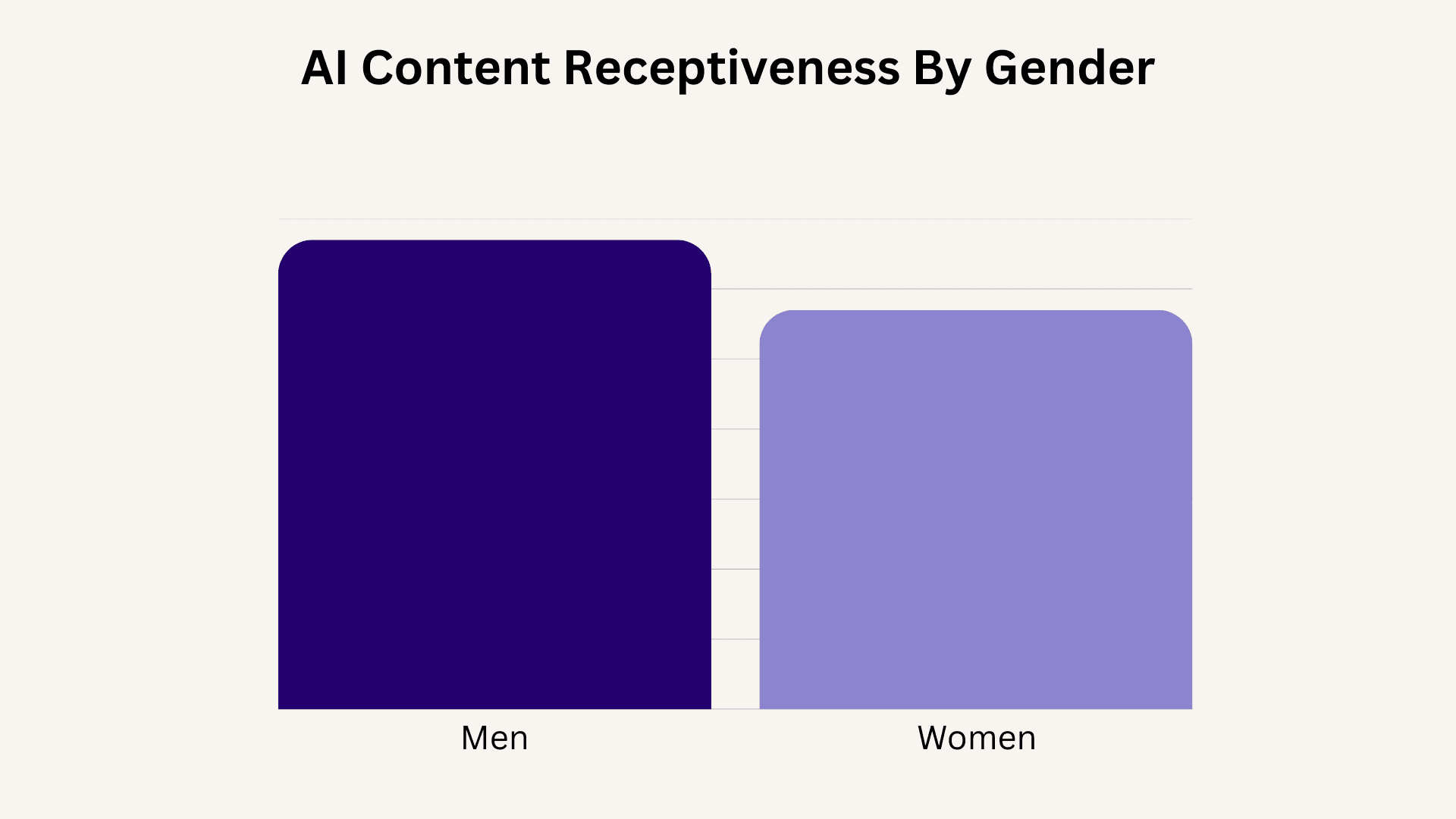
While consumers are more open-minded toward AI than they were in years past, many are still cautious of it. The way to bridge this gap is to use AI to create email content that actually helps consumers. If your use of AI feels like a shortcut, they’ll be able to sniff it out and distrust it as a result.
AI Is Becoming Invisible. And That’s the Point.
One of the most interesting findings from our survey was this: Respondents couldn’t reliably identify which creative was AI-generated.
This is exactly where AI is heading. If AI content isn’t straight-up slop, it’s increasingly more difficult to detect. In 2026, email marketers who use AI that aligns with their brand voice and guidelines will be able to:
Personalize subject lines
Adjust layout density
Recommend products
Optimize send times
Adapt tone dynamically
Only the brands who use the best email AI tools will win over consumers here, so carefully vet what you allow into your tech stack.
Regardless of the inability to tell what is AI though, survey respondents surprised us in a few ways:
Some people flagged content as AI-generated and still liked it
Some heavy AI users were skeptical of AI-generated brand content
This tells us something important: Personal tech adoption does not equal brand trust.
YouGov’s data supports this nuance. While 65% of Americans trust AI to compare prices, only 14% trust it to place orders on their behalf.
Consumers are drawing boundaries.
They want AI to advise them, but not make decisions. AI can assist marketers, but not replace the true creativity they bring to the table.
Consumers Aren’t Anti-AI. They’re Anti-Bad Marketing.
Only 10% of survey respondents labeled AI use as unethical.
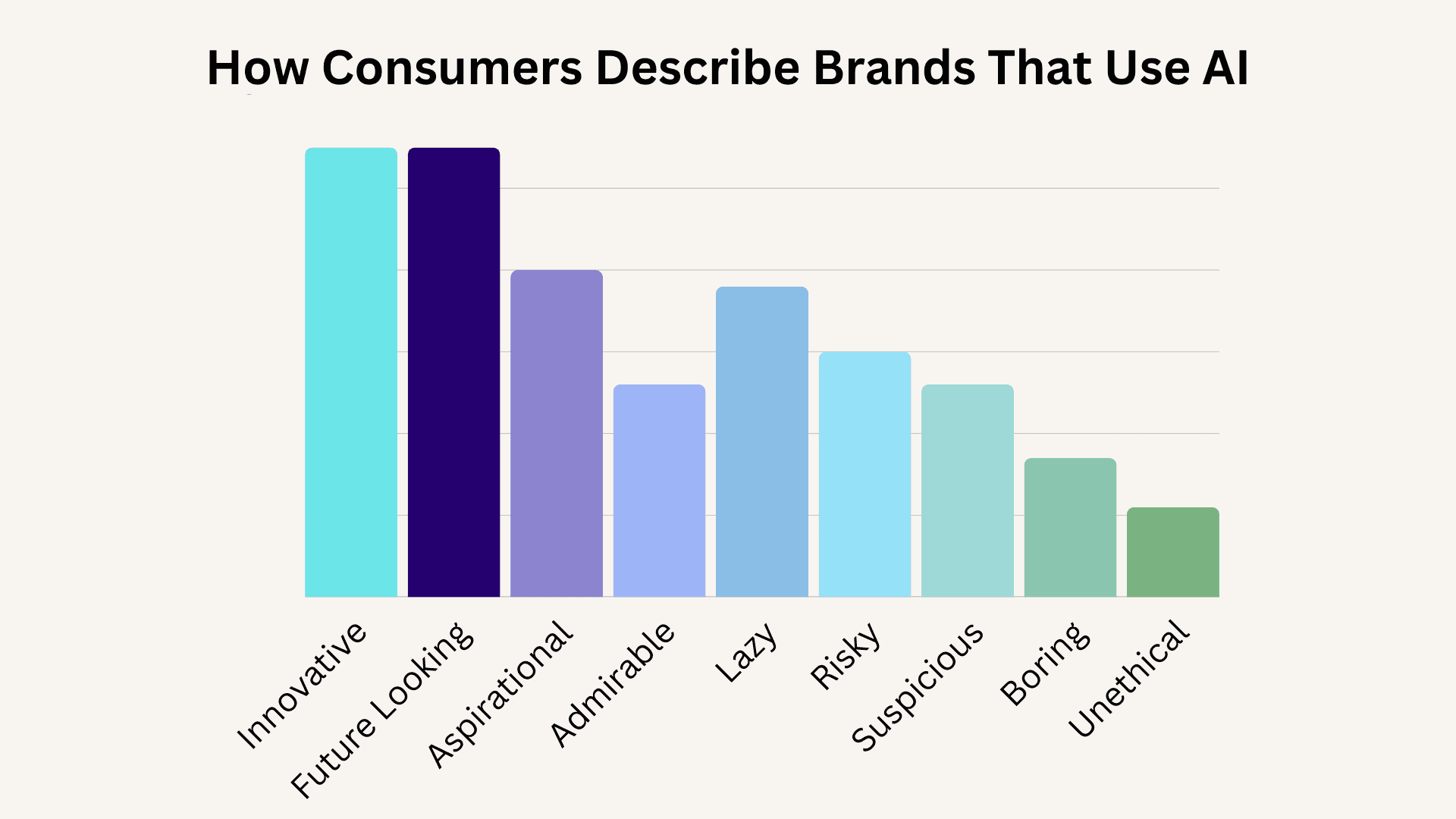
They were more concerned with brands using AI in lazy or risky ways. This tells us that AI resistance generally isn’t based on moral code. It’s based on individual experience.
Consumers don’t want:
Low-effort content
Formulaic hype
Generic personalization
They want:
Relevance
Restraint
Real value
What This Means for Email Marketing In 2026
Email and SMS aren’t going anywhere, but they’re evolving. The next generation of winning ecommerce email campaigns will:
Be personalized, not solelessly automated
Be dynamic, not batch-based
Be AI-assisted, not AI-driven
Consumers are telling us they’re open to AI. Curious. Willing.
But they’re also watching.
Brands that use AI to amplify relevance, respect boundaries and tell better stories will win. But above all, their messages will feel authentic and human.
Not because humans wrote every word, but because humans shaped the intent.