News
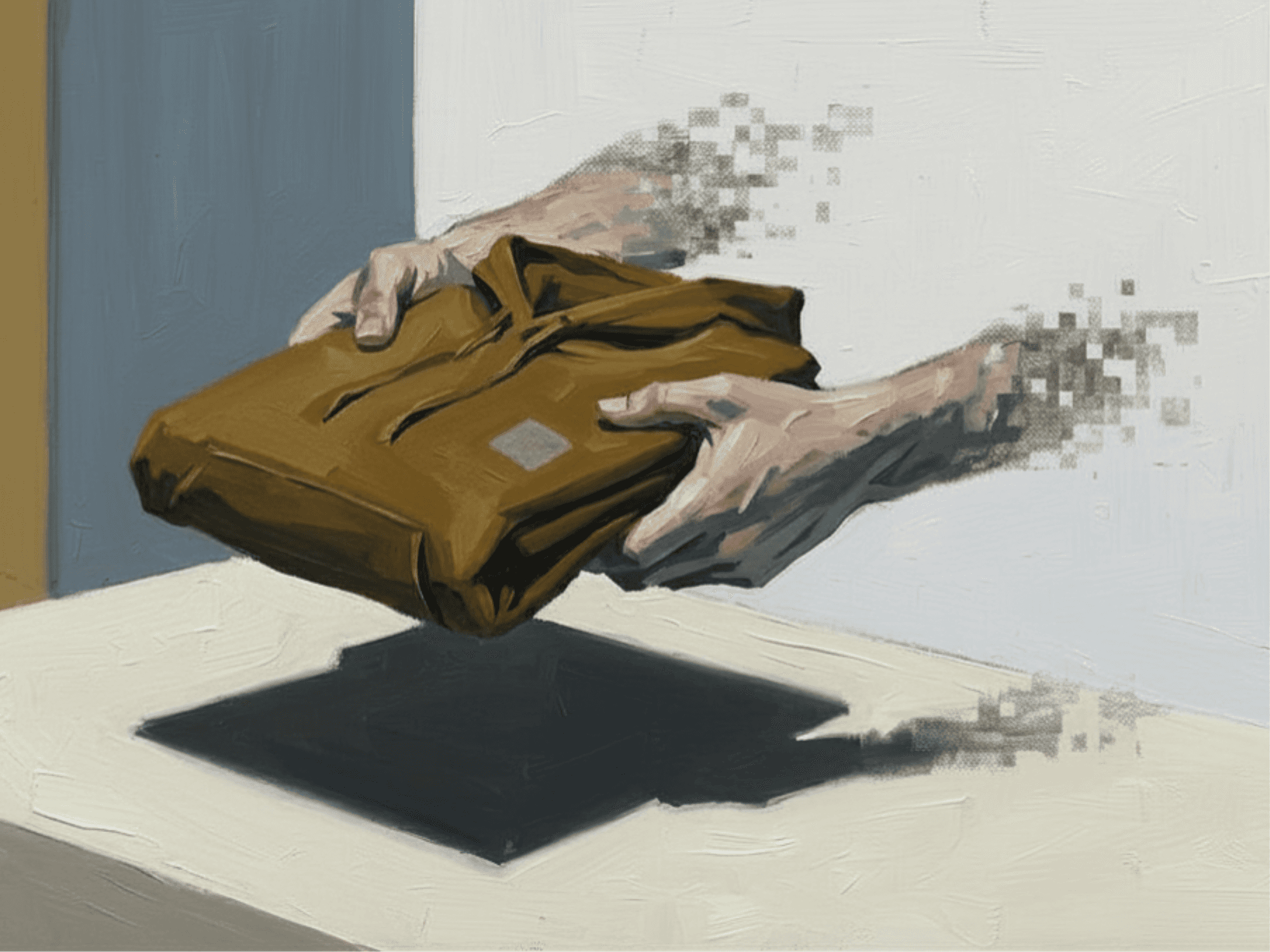
New Rules for Fake People: What New York & California's AI Laws Mean for Email Campaigns
The era of quietly swapping photo shoots for Midjourney renders is over. Here's how NY and CA's new AI laws will impact your next email campaign.
If your email creative team has used an AI-generated model—in a hero image or lifestyle shot, for example—the rules just changed. And the clock is ticking.
New York’s governor signed a Synthetic Performer Disclosure Law (S.8420-A) and it takes effect on June 9. It's the first U.S. statute that explicitly requires advertisers to disclose when an AI-generated human—aka a "synthetic performer"—appears in a commercial ad, in any medium, including digital campaigns and email.
More recently, California’s governor issued Executive Order N-5-26. It builds on California's SB 942, which pushes watermarking and provenance requirements into every major generative-AI image tool.
The era of quietly swapping photo shoots for Midjourney renders is over. If a New York subscriber opens your Memorial Day email and the model wearing your product was generated by AI, you’ll soon be legally required to say so.
What New York's Synthetic Performer Law Requires & What California’s Order Signals
The New York law is triggered by a "synthetic performer," a digitally-created human asset built with generative AI or a software algorithm that isn't recognizable as a real, identifiable person. Fixing a lighting issue in Lightroom doesn't make your model a synthetic performer, nor does retouching a photo of a real person.
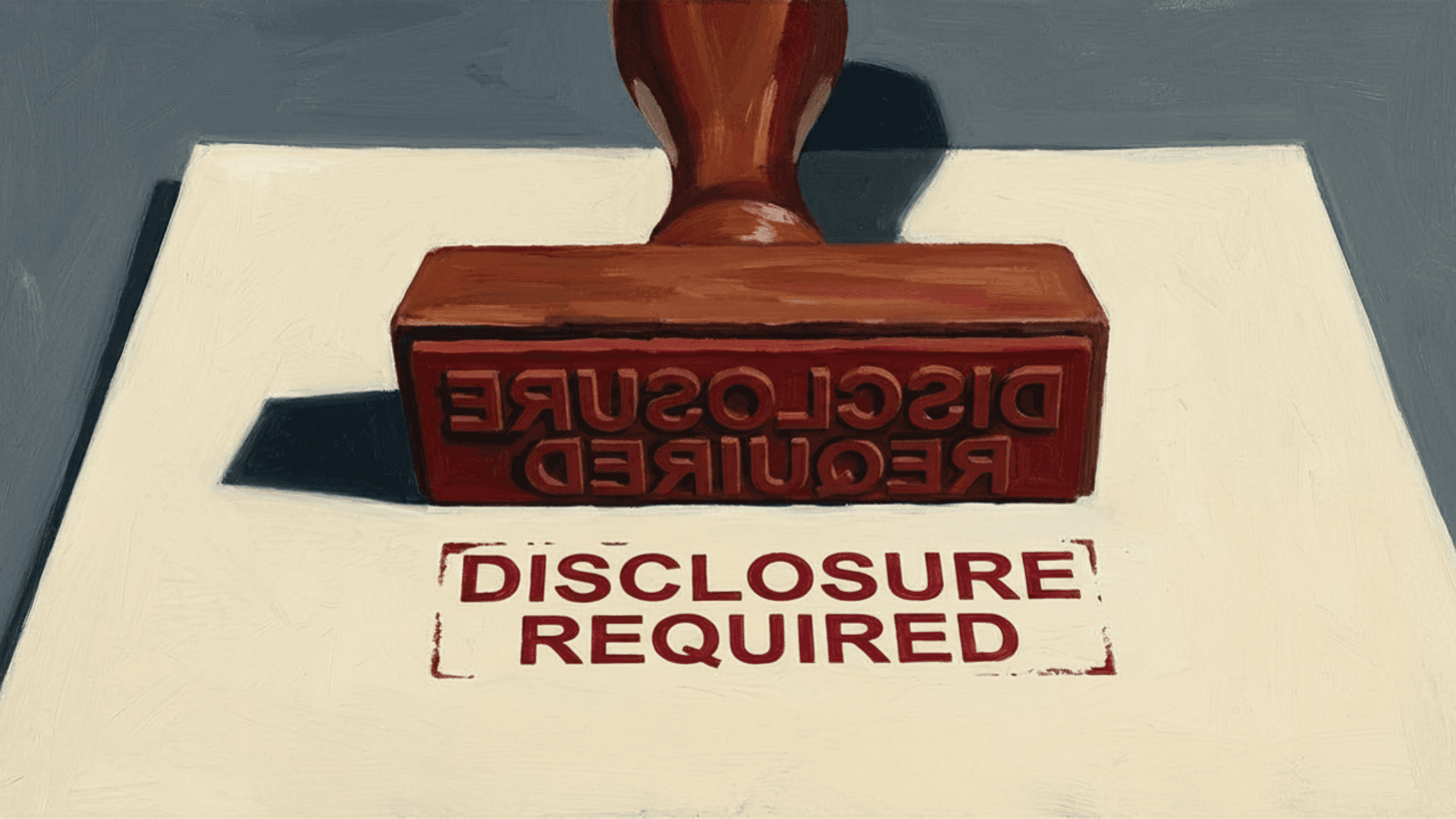
Think of a synthetic performer as an AI model you generated for your spring lookbook. New York’s law requires a conspicuous disclosure within synthetic performers' ads. The statute doesn't dictate font size, placement or exact wording though. Expect influencer-disclosure norms like "Created with AI," placed near the image to become your de facto benchmark.
Penalties are costly, running $1,000 for a first violation and $5,000 for each one after that. Importantly, the law applies to anyone placing an ad "before the public in New York," regardless of where your brand is headquartered.
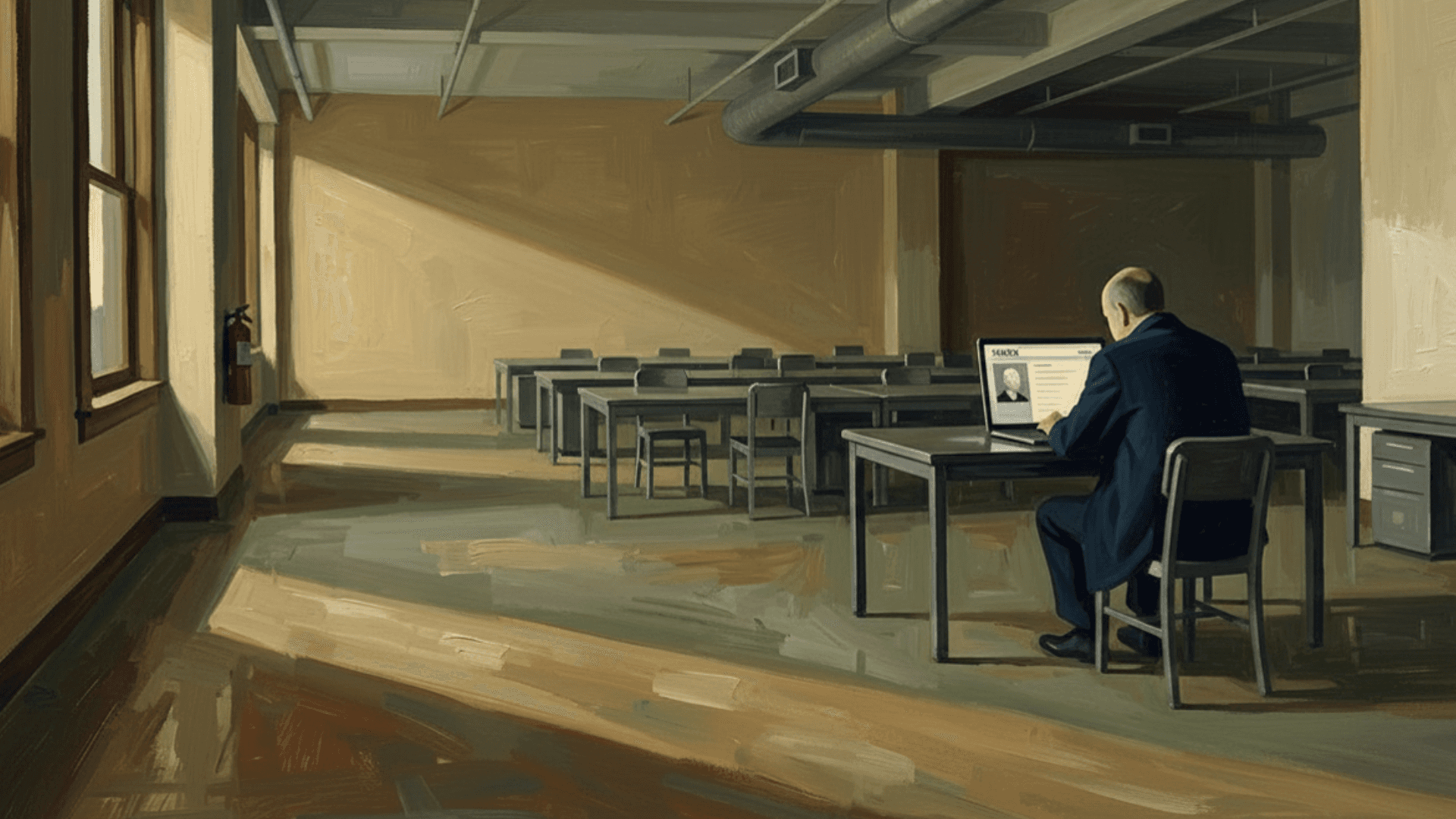
California's EO N-5-26 governs how California buys AI tools. It requires large generative-AI providers to embed visible and machine-readable provenance metadata into images, audio and video. When you generate an image with an AI tool, that tool can quietly embed a kind of digital label inside the image file itself. It travels with the file wherever it goes. So when your designer downloads that image and uploads it to Klaviyo, the label comes along for the ride. Any regulator, a platform or consumer who knows how to look for it can see that the image was AI-generated, which tool made it, and when.
The directional signal is the same everywhere you look. Tennessee, Illinois and the EU have all introduced new laws that point toward the same outcome. Disclosure, consent and record keeping are becoming baseline requirements, not optional courtesies.
Where Do AI-Generated Humans Live in Your Emails?
AI-generated people are already embedded in ecommerce email workflows at brands of every size. The most common places synthetic performers appear in email creative are:
Hero models generated via AI tools like Botika or Backstroke’s Hero Lab. Levi's, Mango (their Sunset Dream campaign) and H&M (30 digital model twins, each with owned IP and consent agreements) have all used them.
Virtual influencer cameos — These aren't niche experiments. Lil Miquela has worked with Calvin Klein, Prada and BMW. Aitana López, a fully AI-generated Spanish influencer, works with brands in Zara's orbit. The list goes on.
AI-synthesized lifestyle backgrounds — Imagine collages of the same product dropped into different seasonal scenes per subscriber segment.
AI-recreated testimonials — This is the highest-risk category and the one the FTC's Endorsement Guides target most directly.
The efficiency case is real. Mango credited AI with dramatically cutting production time. Klarna has claimed $10M in marketing savings from generative-AI creative. But every one of these tactics now intersects with a disclosure requirement somewhere in the U.S. regulatory stack.
Tools like Backstroke—which sit between your creative team and your ESP—are increasingly where this workflow lives, as they produce personalized, on-brand email creative at scale. That same layer is also where disclosure logic, alt-text labeling and provenance metadata will need to live going forward.
Why Do Your Customers Want You to Tell Them It’s AI?
Despite these new rules, disclosure isn't the enemy of performance. It may actually be the opposite.
Nearly 90% of consumers say they want brands to disclose when an image is AI-generated, according to a Getty Images study across 30,000+ adults in 25 countries. 98% of them say authentic visuals are pivotal to their trust in a brand. 73% of Gen Z and Millennials say AI disclosure would either increase their purchase likelihood or have no impact on it at all.
A Yahoo/Publicis study called "Trust Through Transparency" found that ads with clearly noticed AI disclosures delivered:
a +47% lift in ad appeal,
a +73% lift in ad trustworthiness
and a +96% lift in overall company trust
That said, the data isn't one-sided. Some studies find that flagging AI content activates a layer of consumer skepticism. The honest synthesis is that disclosure imposes a small evaluative cost. Getting caught hiding it imposes a much larger and lasting brand cost.
Some brand cases make this lesson painfully concrete. Mango's Sunset Dream campaign drew backlash when the AI origin of its models wasn't upfront. Coca-Cola's 2024 AI remake of "Holidays Are Coming" was seen by many as AI slop content, rather than a classic and comforting holiday commercial. Levi's faced significant criticism for its "digital diversity" campaign.
But those were ad campaigns. And email is your most permission-based channel. Your subscribers choose to be there. That relationship is built on the expectation of something authentic coming their way, and burning it to save a photo shoot budget is bad math.
5 Workflow Shifts to Make Before June 9
Of course, the law doesn't care about your current creative process. Your creative process has to adapt to the law! 😉
With that in mind, here are changes worth making now:
Tier your disclosure policy by materiality. The IAB AI Transparency Framework offers useful guidance. Disclose when AI changes who or what the audience thinks they're seeing, such as synthetic humans or voice clones. Don't disclose for cosmetic retouching, AI-assisted copywriting or translation. The line is deception, not AI use.
Standardize your language and placement. Best-practices include a visible label ("Created with AI") near the image, "(AI-generated)" appended to alt text, a footer line ("Some imagery in this email was created with AI") and embedded C2PA metadata for machine readability.
Build an audit trail per send. Log the tool used, the prompt, the human reviewer, the intended scope and the C2PA manifest.
Lock down likeness contracts. If you're working with AI tools trained on real models like H&M's digital twins, require explicit written consent, compensation terms and scope limits. California AB 2602 and the NY Fashion Workers Act both require this, regardless of union status.
Protect flagship moments by keeping them human. Use AI for catalog breadth, segment personalization and evergreen creative. Keep special occasions like holiday hero campaigns, anniversary sends and brand-storytelling emails human-crafted. AI should scale the work that doesn't define the relationship.
This is where having an AI email content platform like Backstroke pays off operationally. Disclosure language, alt-text conventions and provenance metadata can be built into your templates and approval flow only once.

The Brands Running Ahead Aren't Waiting for June 9.
Dove's "Real Beauty Pledge" is a public commitment to never use AI-generated imagery to depict real women. It won the Cannes Media Lions Grand Prix in 2025 and generated over 4 billion impressions. They treated compliance as a brand position, rather than a burden.
Perhaps learning from their missteps, Coca-Cola built "Fizzion" to embed brand guardrails directly into the generative workflow. Mattel uses Adobe Firefly Custom Models trained only on owned assets, which preserves IP indemnification and keeps every output traceable.
The pattern across all of them is to disclose more, not less, and keep humans in the loop for the moments that matter most.
The latest Sprout Social Index ranks authenticity as the #1 trait consumers say they value in brand content. Email is where that gets earned or lost, one send at a time.
What to Do Before June 9
Your deadline is practically here. The brands that build AI disclosure into their creative workflow as a trust signal—including clear labels, real photography for the moments that count, AI for scale and deep personalization—will turn the new rules into an advantage over brands that aren't ready.
Your window is closing. Compliance needs to happen now.
If you're rebuilding your email creative workflow, see how Backstroke helps teams produce on-brand, disclosure-ready email content at scale →

