Insights
10 Email Marketing Trends for 2026: What Works Now (And What to Stop Doing)
Discover the 10 biggest email marketing trends for 2026. From AI-powered inboxes to smarter personalization, privacy shifts and what actually drives engagement now.

The year of AI adoption (and sometimes over-adoption) is in the rearview mirror. As we begin the year anew, consumer expectations are rising, purse strings are tightening and the rules for what can fly in an inbox are increasingly tougher to meet.
If 2026 has proven anything within its first few weeks, it’s that people want brands to connect with them in more authentic ways. After all, 70% of shoppers say they will exclusively shop with brands they believe are authentic. And if that isn’t accomplished, unsubscribing is literally easier than ever.
2026 marks a real shift in how inboxes work, how engagement is measured and how campaigns get built. Privacy changes have reshaped what data we can rely on. Intelligent inboxes now decide what gets seen. And AI has officially moved from novelty to true copilot.
With all that in mind, here’s your guide on how to navigate these changes, along with clear takeaways you can act on today.
AI in 2026: 10 Email Marketing Trends You’ll See in the New Year
The Trend: Intelligent Inboxes Are the New Gatekeepers
Inbox providers now use AI to filter, prioritize and summarize emails before users even open them. Both Apple Mail and Gmail do this. It ultimately means that visibility is no longer guaranteed just because you landed in the inbox.
Why It Matters: Opens no longer automatically imply subscriber attention. Algorithms prioritize relevance, clarity and true engagement signals.
What to Do Right Now:
Write clear, value-forward subject lines and email body content
Avoid image-only emails that can’t be parsed by AI
Reduce frequency and focus on quality
Segment by real engagement, not just list size
You can get a full view of AI email summaries and how to work with them in our guide Gmail AI Email Summaries: What’s Changing & How to Adapt.
The Trend: AI Is Every Marketer’s Copilot
88% of marketers use AI in their daily roles and it assists with almost everything, including copy, segmentation, send times, testing and creative production. It’s fully operational and a normal part of every modern marketer’s tech stack
Why It Matters: Generally, AI saves time, processes vast amounts of data and improves marketing performance. More importantly though, it allows us to be more human, as it frees us to focus on strategy, creativity and refinement.
What to Do Right Now:
Use AI to generate variants, not final drafts
Let AI suggest segments and timing
Keep humans in control of voice and messaging
Treat AI as a productivity multiplier and lean on it to 10X your output
Want to see how Backstroke’s latest agentic email AI release will 10X your creative output? Meet our L5 agentic engine.

The Trend: Personalization Is Table Stakes
“Hi {FirstName}” is no longer the level of personalization that consumers want, need or deserve. Behavior-based, predictive and contextual personalization now define relevance.
Why It Matters: People expect emails to reflect their interests, shopping journeys and personal stories that can all be pieced together through analyzing consumer data.
What to Do Right Now:
Segment by behavior, not just demographics
Use browsing, purchase and engagement data to inform creative and strategic choices
Personalize offers and email content, not just greetings
Sync personalization across email and SMS
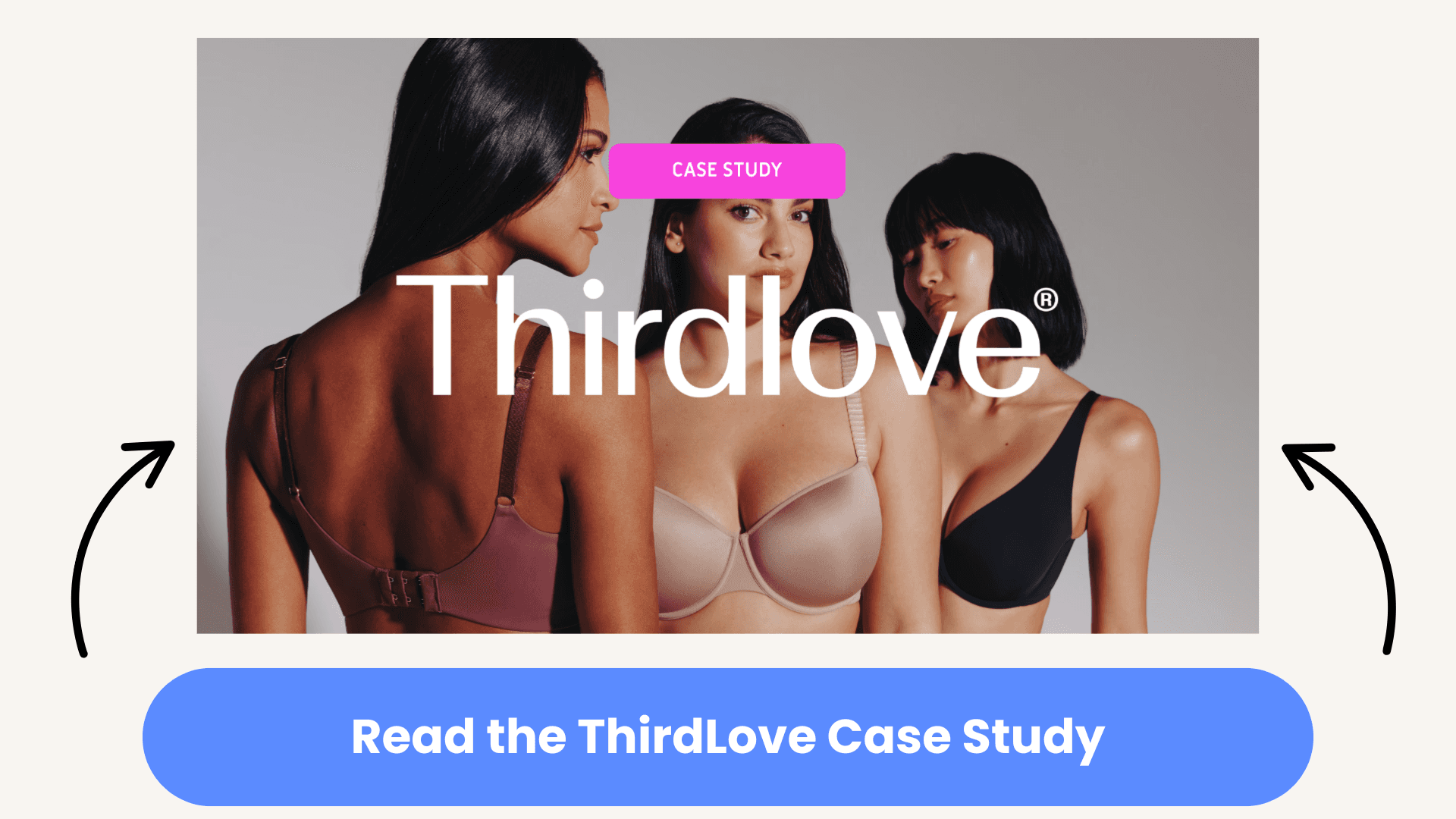
Want to see how ThirdLove uses AI to personalize their emails? Check out their case study: Thirdlove Personalizes at Scale with Backstroke Predictive Template Agents.
The Trend: Interactive & Dynamic Email Experiences
Emails are becoming interactive experiences, and they can't be simple, static messages. Include polls, accordions, carousels and live content that keeps eyes glued to your messages.
Why It Matters: Interactive emails increase dwell time, clicks and memorability. They have 73% higher click-to-open rate compared to static ones. Most importantly, brands that send interactive experiences—such as lightweight games and embedded forms—see notably higher conversion rates and customer engagement than those who don’t.
What to Do Right Now:
Add micro-interactions to key flows
Use dynamic content blocks throughout your sends
Test simple elements like surveys, countdowns or engaging graphics
Get a full guide on how to build interactive emails and gamified messages in Gamified & Interactive Emails: A Complete How‑To Guide for E‑Commerce Marketers.
The Trend: Privacy, Trust & Long-Term Deliverability
Trust now directly affects deliverability. Mailbox providers (Gmail, Yahoo, Outlook, etc.) increasingly base inbox placement on user-centric metrics like opens, clicks, deletions without reading and “this is spam” complaints
Therefore, privacy-first practices are both ethical and strategic.
Why It Matters: Inbox providers reward engaged, trusted senders. And subscribers reward brands that respect their preferences.
What to Do Today
Use clear opt-ins and preference centers
Reconfirm inactive subscribers
Clean your list regularly
Implement authentication protocols
Learn how to rise to the top of Gmail with our guide How to Rise to the Top of Gmail’s New “Most Relevant” Promotions Tab.
The Trend: Measurement That Matters: Beyond Opens
Open rates are increasingly unreliable. Real success lives in deeper engagement metrics.
Why It Matters: Privacy tools distort opens. AI scanning inflates them. Meanwhile, conversions tell the real story and email marketers need to understand which metrics actually detail their subscribers’ behaviors.
What to Track:
Click-through rate (CTR)
Active engagement rate
Conversions per send
Revenue per subscriber
Interaction rate
If you want a comprehensive look at everything you need to track for success at email in 2026, check out our guide: Metrics That Matter: How Retail Marketers Will Measure Email Success in 2026.
The Trend: Email + SMS Go Omnichannel
Email doesn’t work alone. SMS, push and paid media now operate as a unified journey.
Why It Matters:
Customers now use an average of nine different channels to engage with a single company, confirming that journeys naturally span multiple touchpoints, rather than a single channel. Couple that with the fact that different channels excel at different moments, and together, they outperform any single one.
What to Do Right Now:
Coordinate email and SMS timing
Use SMS for urgency, email for depth
Sync messaging and offers
Track performance holistically
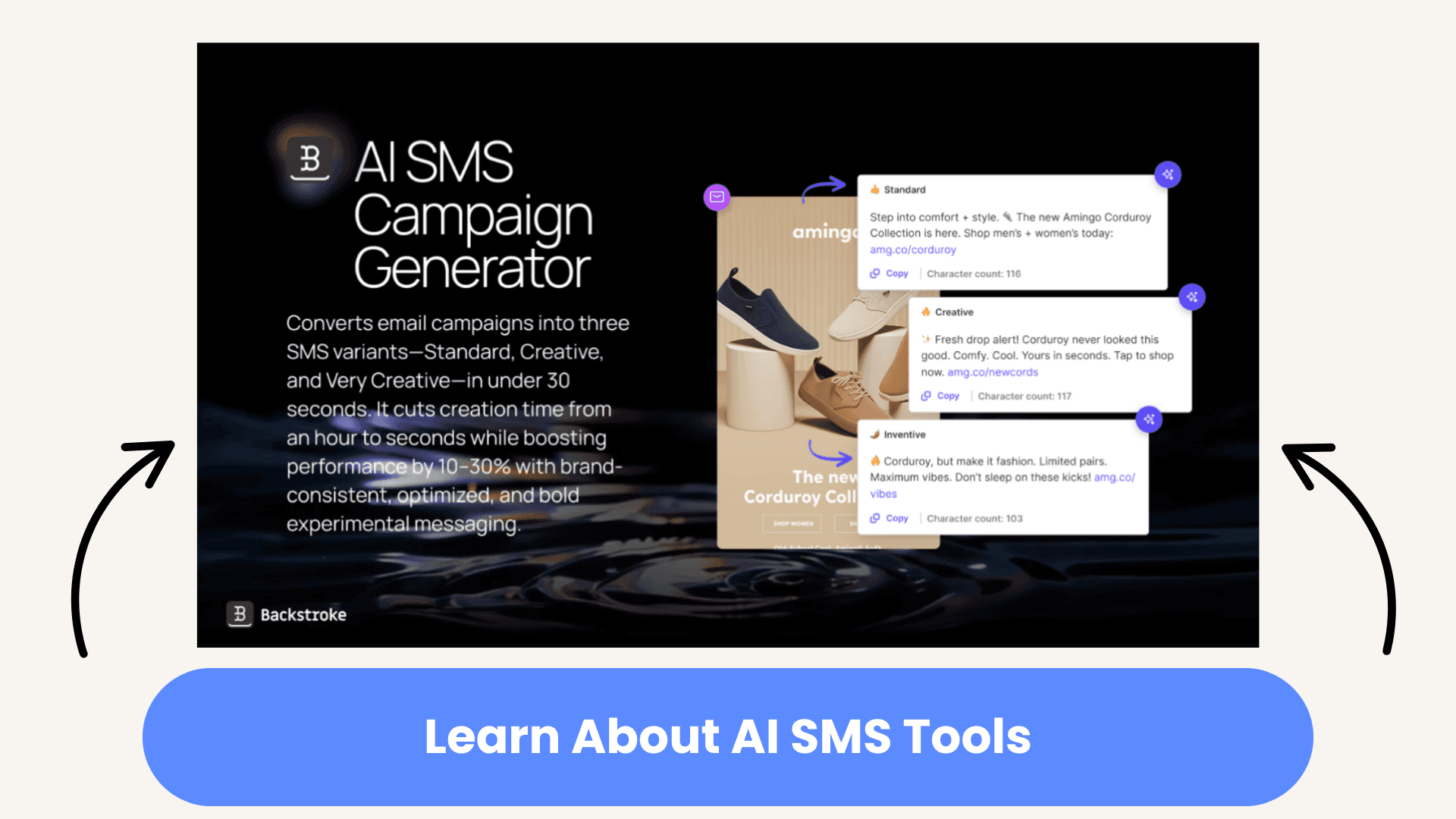
See how your team can coordinate messaging across a multitude of mediums in Backstroke’s New AI Text Message Generator: Smart Campaigns That Prioritize SMS Compliance.
The Trend: Winning Design Features Accessibility, Interactivity & Light Code
Design isn’t simply about aesthetics. Designers also have to prioritize inclusivity, speed and adaptability.
Why It Matters: Accessible emails reach more people, perform better and are more compatible with AI parsing.
Accounting for accessibility may not feel like a top priority, but it truly matters at scale, as about 2.2 billion people live with some form of visual impairment, ~300 million people are color blind and up to 20% of the population experiences some level of dyslexia. All of these populations benefit from accessible design and they’re definitely within your subscriber lists.
What to Do Right Now:
Use real HTML text, not image-only layouts
Add alt text to all images within your emails
Test in dark mode
Reduce file sizes
Learn more tips on creating accessible emails in our guide Don’t Get Lost to the Dark Side: Email Design Best Practices for Light and Dark Mode.
The Trend: Authenticity & Consistency in Brand Voice
In an AI-saturated world, authenticity is your differentiator.
Why It Matters: Authenticity is emerging as a real performance differentiator as AI slop floods feeds and inboxes.
There are now concrete numbers that tie it to consumer preference and spend too. 97% of consumers say authenticity matters when deciding whether to support a brand, and 85% have purchased from a brand specifically because it felt authentic.
What to Do Right Now:
Define your brand voice clearly
Apply it across all emails and SMS
Edit AI output to match your tone (or train models to match it automatically)
Avoid hollow personalization (Reference Trend #2 above, if you need to!)
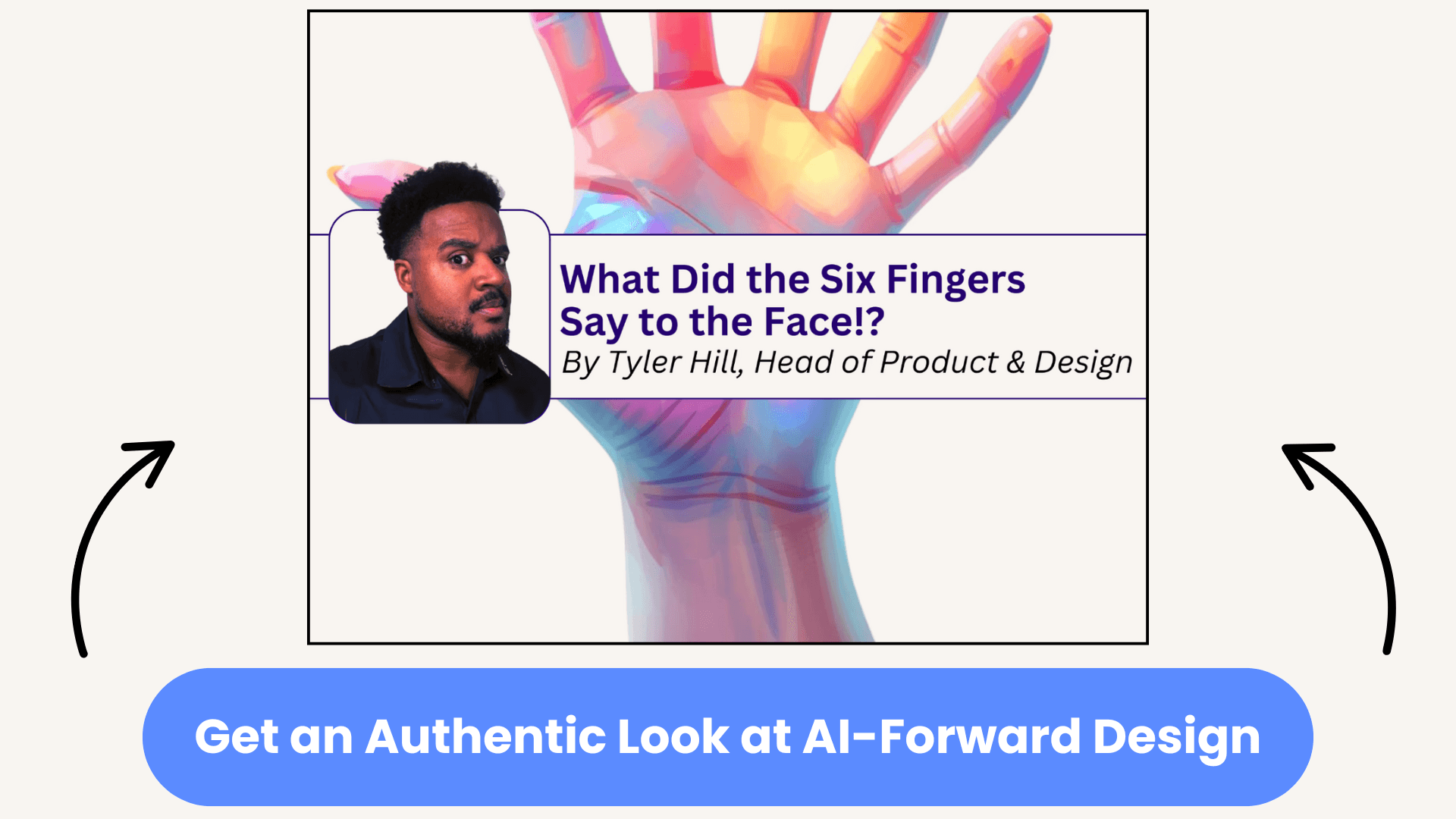
Get a truly authentic look at what makes or breaks great AI content . . . and how you can use it to connect with consumers. Check out What Did the Six Fingers Say to the Face!? A Slap and a Revelation About AI’s Next Era for Marketers.
The Trend: Sustainability & Smarter Sending
More emails doesn’t mean better performance. Smarter sending is the goal.
Why It Matters: Inbox fatigue is real and it hurts engagement and trust.
People now receive roughly 50–120 emails per day on average. 67% of people say they feel overwhelmed by their inbox. Meanwhile, 51% of subscribers say the top reason they unsubscribe from marketing emails is because they are getting them too frequently.
All this indicates that quality wins over quantity in the email game.
What to Do Today
Audit your cadence
Remove redundant sends
Sunset unengaged subscribers
Combine campaigns where possible
Optimize file sizes
Stop batch-blasting everyone with generalized content
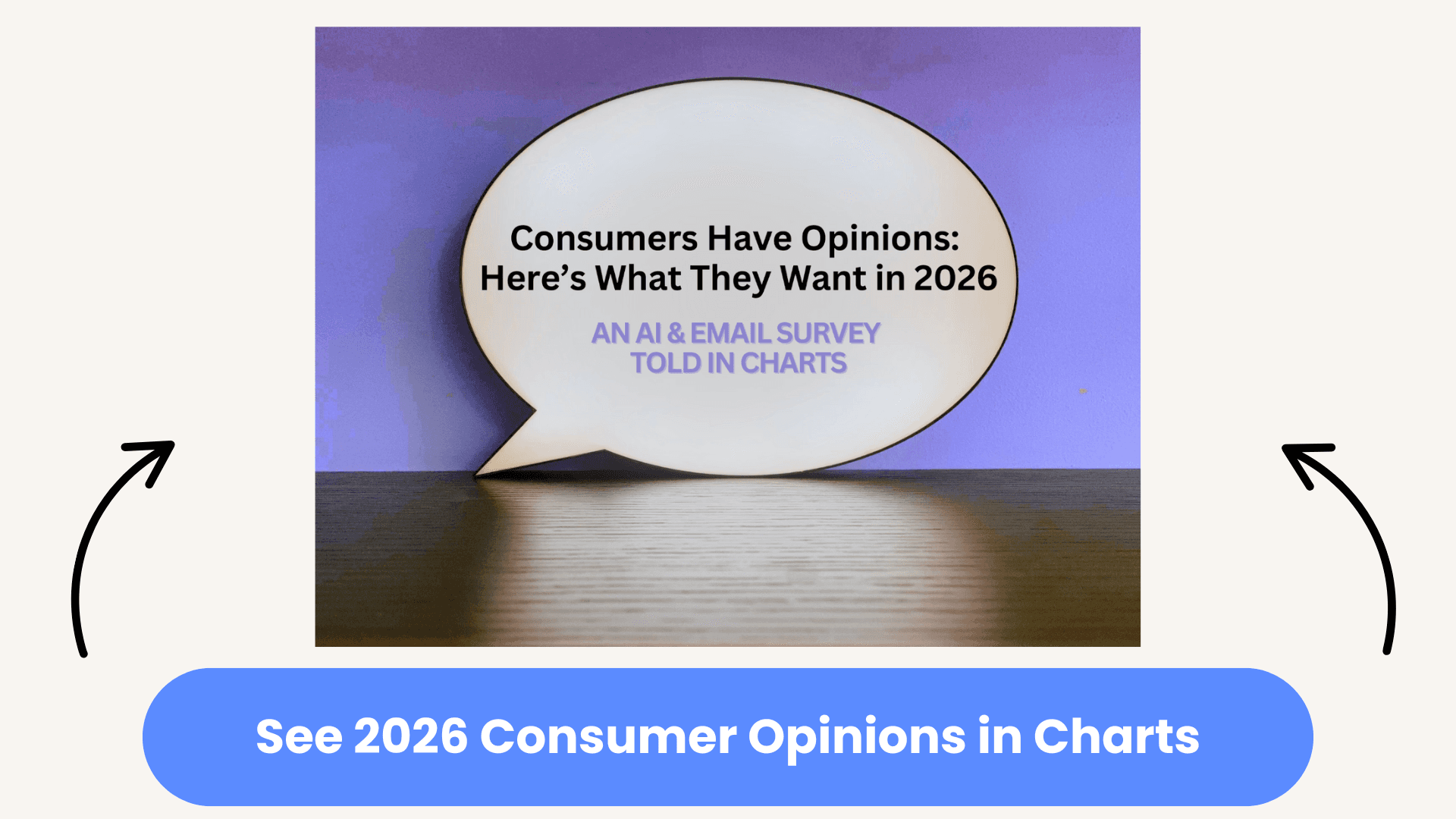
Want some insights—and hard data—into what consumers really want? Check out our guide Consumers Have Opinions: Here’s What They Want in 2026.
Make the Most of Email in 2026 (& Get Started Early!)
Email’s evolution will never stop, forcing ecommerce marketers to continuously adapt and meet consumer demands. But winning in 2026 requires more than better templates. It requires smarter systems that adapt, personalize, optimize and learn.
That’s exactly why we built Backstroke’s L5 Agentic Engine, which helps teams create, test, personalize and scale campaigns automatically while keeping strategy and voice in human hands.
The inbox is smarter. Your tools should be too.

